


Sign Up For SKINFO, Learn The Latest Derm Info
Get expert skincare tips, exclusive updates, and personalized offers straight to your inbox!
Thank you! Your submission has been received!
Oops! Something went wrong while submitting the form.
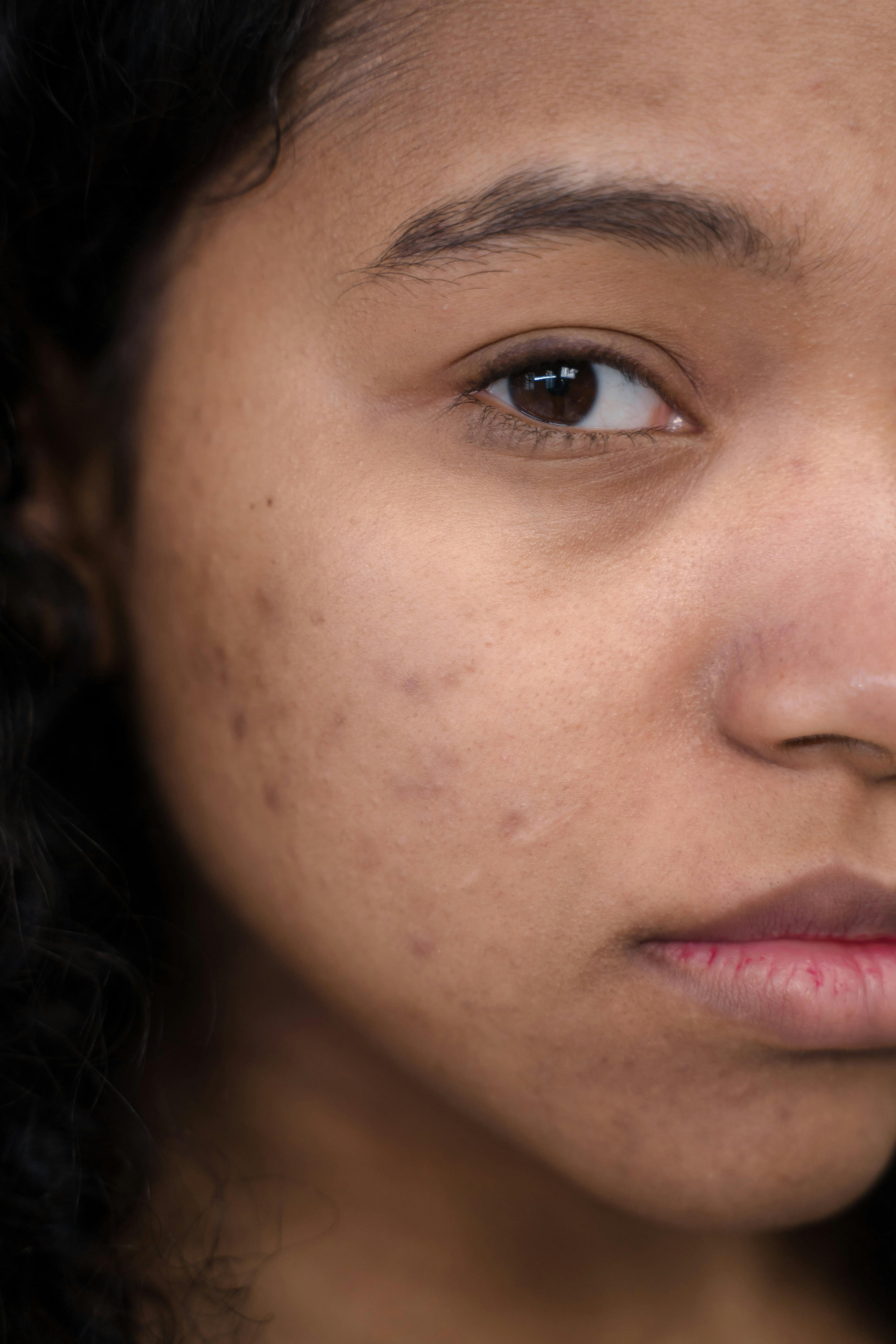
Adult acne can be frustrating in a way that is hard to explain unless you have dealt with it yourself. Many people expect breakouts to be something they leave behind after their teenage years, so when acne continues—or suddenly returns in adulthood—it can feel discouraging, embarrassing, and confusing.
You may wonder, “Why is this still happening?” or “Why does my skin clear up for a while and then break out again?” The answer is that acne is not always a one-time problem. For many adults, it is a recurring skin condition driven by oil production, clogged pores, inflammation, hormones, stress, skincare products, and other factors happening beneath the surface of the skin.
The good news is that adult acne is common, and it is treatable. Understanding why it keeps coming back is the first step toward finding a plan that actually supports your skin long term.
Acne is a common skin condition that happens when pores become clogged with oil, dead skin cells, and debris. Once a pore is blocked, inflammation can build, bacteria may multiply, and a breakout can appear.
Acne can show up in several different ways, including:
Many people think of acne as a surface-level issue, but it often starts deeper in the pore before anything is visible on the skin. That is one reason acne can feel so persistent. Even if one blemish heals, another clogged pore may already be forming nearby.
This is also why spot-treating one breakout at a time does not always solve the bigger issue. Adult acne often needs a consistent plan that helps prevent new breakouts from forming, not just a quick fix for the breakout you can see today.
Adult acne can return for several reasons. Sometimes there is one clear trigger, but often it is a combination of factors. A dermatologist can help determine what is contributing to your breakouts and what type of treatment may be most appropriate.
Oil production does not stop after the teenage years. Adults still produce sebum, which is the natural oil that helps protect the skin. However, when too much oil mixes with dead skin cells, it can clog pores and lead to recurring breakouts.
This can happen even if you wash your face regularly. Acne is not a sign that your skin is dirty. In fact, over-washing or scrubbing too aggressively can irritate the skin and sometimes make inflammation worse.
A better approach is usually a gentle, consistent skincare routine paired with treatment that targets the acne cycle itself.
Hormonal changes are one of the most common reasons adults continue to experience acne. This is especially common in women, though hormonal acne can affect many adults.
Hormone-related breakouts may occur around:
Hormonal acne often appears around the lower face, jawline, chin, or neck, though it can occur elsewhere too. These breakouts may feel deeper, more tender, or more persistent than occasional surface-level blemishes.
Because hormones can affect oil production and inflammation, adult acne may continue to return unless the underlying pattern is addressed.
Stress does not mean acne is “all in your head.” Stress can affect the body in real, physical ways. When stress levels rise, the body may produce hormones that stimulate oil glands and increase inflammation, which can contribute to breakouts.
This can create a frustrating cycle. Acne causes stress, stress worsens acne, and then the skin becomes even harder to manage.
A dermatologist cannot remove stress from your life, but they can help build a treatment plan that makes your skin less reactive and easier to control.
Sometimes adult acne keeps coming back because products are clogging pores or irritating the skin. This can include moisturizers, sunscreens, makeup, primers, hair oils, styling creams, or heavy conditioners.
Breakouts along the forehead, hairline, cheeks, or jawline can sometimes be related to products that touch the skin.
Look for terms such as:
That said, labels are not always a guarantee. If your acne is persistent, bring your product list to your dermatology appointment. Your provider may be able to identify products that could be making breakouts worse.
Many acne treatments take time. It can be tempting to stop using a product once your skin starts to improve, but acne often returns when treatment is discontinued too early.
This is because acne prevention is usually about interrupting the cycle before new breakouts form. Even when your skin looks calmer, clogged pores and inflammation can still be developing beneath the surface.
Consistency matters. A dermatologist can help you understand what to use, how often to use it, and when to adjust your treatment instead of starting over every time your skin flares.
Not every red bump on the face is acne. Some conditions can look similar but require different treatment.
These may include:
This is one reason it can be helpful to see a dermatologist when breakouts are persistent, painful, sudden, or not responding to over-the-counter products. Treating the wrong condition like acne can sometimes make the skin worse.
Adult acne is not just a cosmetic concern. It can affect how comfortable you feel at work, in photos, at social events, or even in everyday conversations. Many adults feel embarrassed because they believe they “should have grown out of it by now.”
If that is how you feel, you are not being vain. Skin is visible, and recurring breakouts can take an emotional toll.
You may find yourself covering your skin with makeup, avoiding certain lighting, skipping events, or feeling frustrated every time a new breakout appears. Those feelings are valid. Adult acne can be stubborn, but it is also something you can get help for.
The goal of dermatology care is not to judge your skin or overwhelm you with products. The goal is to understand what is happening, reduce future breakouts, protect your skin from scarring or discoloration, and help you feel more confident in your skin again.
When acne keeps coming back, many people understandably start trying everything. Unfortunately, doing too much can sometimes irritate the skin and make breakouts harder to control.
Common acne mistakes include:
A simple, consistent routine is often better than a crowded bathroom cabinet full of products that may be working against each other.
You do not have to wait until acne is severe to see a dermatologist. If breakouts are recurring, painful, or affecting your confidence, it is reasonable to get help.
Consider scheduling a dermatology appointment if:
A dermatologist can evaluate your skin, identify the type of acne you have, and recommend a treatment plan based on your skin type, medical history, acne pattern, and goals.
Treatment for adult acne depends on what is causing the breakouts and how severe they are. There is no one-size-fits-all plan.
A dermatologist may recommend options such as:
For some patients, treatment focuses on active breakouts. For others, the plan may also address dark spots, scarring, sensitivity, or long-term maintenance.
The most important thing is having a plan that fits your skin. Adult acne is often manageable, but it usually takes consistency and the right approach.
Adult acne can be stubborn, but it is not something you have to manage alone. If breakouts keep coming back, the answer is usually not to scrub harder, buy more products, or blame yourself.
Recurring acne often means there is an ongoing trigger or pattern that needs to be addressed. Once that pattern is better understood, treatment can become more targeted and effective.
At Skin Cancer & Cosmetic Dermatology Centers, our dermatology team can evaluate your skin, discuss what may be contributing to your acne, and help create a treatment plan that supports healthier skin over time.
If you are dealing with adult acne that keeps returning, schedule a dermatology appointment today. We are here to help you get clearer answers and a plan that makes sense for your skin.